Deer-Resistant Plants for Eastern Ontario Gardens
Updated: Aug 31

One of the most common questions we hear from gardeners in our area is: "What plants won't deer eat?" Unfortunately, there is no such thing as a completely deer-proof plant. When food is scarce, deer will sample almost anything. However, there are many plants that deer tend to avoid because of their texture, fragrance, or taste.
If deer regularly visit your property, choosing deer-resistant plants can help reduce damage and create a garden that remains attractive throughout the growing season.
Why Do Deer Avoid Certain Plants?
Deer are less likely to feed on plants that are:
Highly fragrant
Fuzzy or rough-textured
Toxic or bitter tasting
Thorny or prickly
Aromatic herbs
Keep in mind that young plants and fresh spring growth are often more appealing to deer than mature plants.
Deer-Resistant Perennials
Lavender
The strong fragrance that we love is one of the reasons deer usually leave lavender alone. It thrives in sunny, well-drained locations and attracts pollinators.
Salvia
Available in a wide range of colours, salvia offers long-lasting blooms and excellent drought tolerance once established.
Peony
A favourite in many gardens, peonies provide spectacular spring blooms and are generally not preferred by deer.
Yarrow
This tough perennial produces clusters of colourful flowers throughout the summer and performs well in hot, dry conditions.
Russian Sage
With silvery foliage and airy purple flowers, Russian sage adds texture and colour while resisting both deer and drought.
Bleeding Heart
A spring favourite for shady gardens, bleeding hearts are typically left untouched by deer.
Hellebores
Often called Lenten Roses, hellebores provide some of the earliest blooms in the garden and are rarely bothered by deer.
Deer-Resistant Shrubs
Spirea
Easy to grow and available in many sizes and colours, spirea offers season-long interest and good deer resistance.
Ninebark
A hardy shrub with attractive foliage that adds year-round appeal.
Potentilla
A long-blooming shrub that performs exceptionally well in our climate.
Lilac
The fragrant blooms are loved by gardeners, while deer generally prefer other options.
Barberry
Its thorny stems make it one of the least attractive shrubs to browsing deer.
Deer-Resistant Ornamental Grasses
Many ornamental grasses are excellent choices because deer typically dislike their coarse texture.
Popular options include:
Karl Foerster Feather Reed Grass
Switch Grass
Blue Fescue
Little Bluestem
These grasses also provide movement, texture, and winter interest.
Deer-Resistant Annuals
For seasonal colour, consider:
Marigolds
Ageratum
Dusty Miller
Snapdragons
Cleome
Verbena
While no annual is completely safe, these varieties are often passed over in favour of tastier choices.
Deer-Resistant Herbs
Many culinary herbs naturally repel deer because of their strong scents.
Excellent choices include:
Sage
Thyme
Oregano
Rosemary
Chives
Mint
Planting herbs near more vulnerable plants may help discourage browsing.
Plants That Deer Commonly Browse
If deer are a significant problem in your area, be cautious when planting:
Hosta
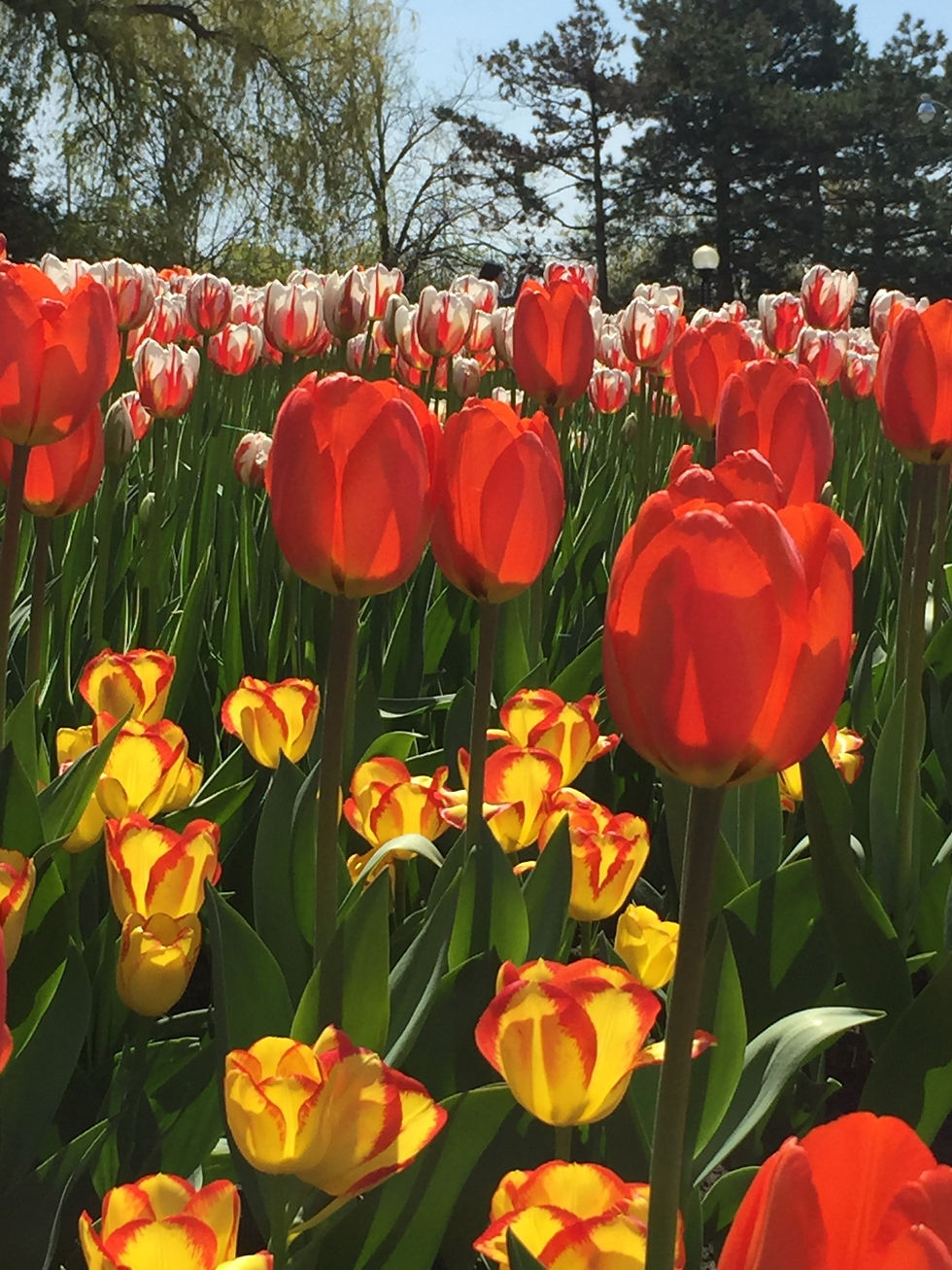
Tulips
Daylilies
Roses
Cedars
Yews
Hydrangeas
Euonymus
These plants are often among deer favourites and may require protection.
Additional Ways to Reduce Deer Damage
Even when using deer-resistant plants, additional protection may be needed:
Apply deer repellents regularly, especially in spring.
Install fencing around vegetable gardens and valuable plantings.
Plant vulnerable species closer to the house.
Mix deer-resistant plants throughout the garden rather than grouping susceptible plants together.
The Bottom Line
While no plant is completely deer-proof, selecting deer-resistant varieties can greatly reduce damage and frustration. By combining plants that deer typically avoid with good garden practices, gardeners can enjoy beautiful landscapes that are more likely to stay intact throughout the season.
If you're looking for deer-resistant plants for your property, our team can help you select varieties that are well-suited to your garden's sunlight, soil conditions, and growing space. Stop by and we'd be happy to help you create a garden that's beautiful, hardy, and less appealing to hungry deer.